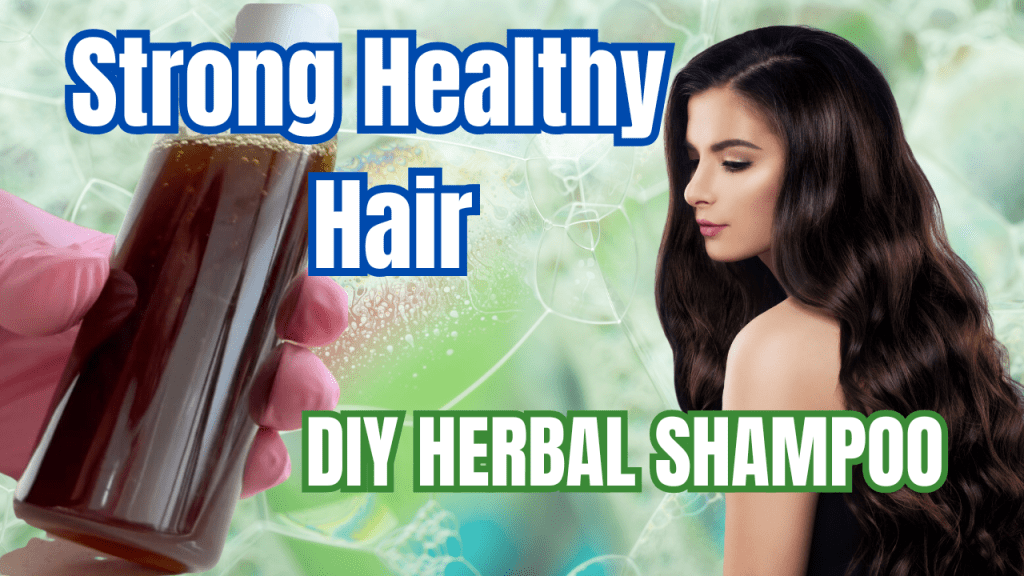
Welcome to today’s DIY guide! In this post, I’m excited to show you how to make a natural, plant-based herbal shampoo that is gentle, effective, and packed with nourishing ingredients. This shampoo is perfect for all hair types and is formulated with simple, high-quality ingredients, including my homemade herbal water made from henna, shikakai, brahmi, and neem.
If you’re looking to cleanse your hair naturally without harsh chemicals, this sulfate-free shampoo will leave your hair clean, soft, and healthy. Let’s dive into the details!
Why Use Natural Shampoo?
Switching to a natural shampoo can make a world of difference in the health and appearance of your hair. Conventional shampoos often contain sulfates, parabens, and artificial fragrances that can strip your hair of its natural oils, leaving it dry and prone to damage. This herbal shampoo, on the other hand, is made with gentle, plant-based surfactants and botanical ingredients that nourish and cleanse your hair without any of those harsh additives.
Ingredients Used and Their Benefits
In this shampoo recipe, each ingredient is chosen for its specific benefits for hair:
- Decyl Glucoside: A mild, plant-derived surfactant that gently cleanses without stripping natural oils, perfect for sensitive scalps and all hair types.
- Sodium Cocoyl Isethionate (SCI): Known for creating a creamy lather, SCI is a gentle surfactant derived from coconut oil that leaves hair feeling soft and hydrated.
- Coco Betaine: This natural surfactant boosts the foam and helps condition the hair, reducing any potential irritation.
- Propanediol: A natural humectant that helps lock moisture into the hair and prevent dryness. (Glycerin is a good alternative here if you prefer.)
- Xanthan Gum: Acts as a thickening agent to give the shampoo a smooth, creamy texture.
- Herbal Water (Henna, Shikakai, Brahmi, Neem): Each of these herbs has unique properties for hair health. Henna strengthens, shikakai cleanses, brahmi promotes scalp health, and neem adds antibacterial benefits.
- Rice Protein: Adds volume and strengthens the hair, making it more resilient to breakage.
- Panthenol (Pro-Vitamin B5): Known for its hydrating and shine-enhancing properties, panthenol also helps to reduce frizz.
- Rosemary Essential Oil: Stimulates the scalp for healthy hair growth and adds a refreshing herbal scent.
- EcoCert Certified Preservative: Essential for maintaining the safety and shelf life of your shampoo, preventing any microbial growth.
The Shampoo Recipe: Step-by-Step Instructions
This shampoo recipe is divided into three main phases: Phase A (Surfactant Phase), Phase B (Water Phase), and Phase C (Cool Down Phase). Here’s how to bring it all together.
Phase A: Surfactant Phase
- Ingredients:
- 20g Decyl Glucoside
- 5g Sodium Cocoyl Isethionate (SCI)
- 10g Coco Betaine
- Instructions:
Combine all surfactants in a mixing container and stir gently until the SCI is fully dissolved. This may take a little time, but it’s worth the patience!
Phase B: Water Phase
- Ingredients:
- 6g Propanediol (or Glycerin as a substitute)
- .5g Xanthan Gum
- 51g Herbal Water (Henna, Shikakai, Brahmi, Neem)
- Instructions:
Start by mixing the xanthan gum with propanediol (or glycerin) to prevent clumping, then add the herbal water. Stir until the mixture is smooth.
Phase C: Cool Down Phase
- Ingredients:
- 2.5g Rice Protein
- 2g Panthenol (Pro-Vitamin B5)
- .5g Rosemary Essential Oil
- 2.5g EcoCert Certified Preservative
- Instructions:
Once your mixture has cooled to room temperature, add these heat-sensitive ingredients and stir gently to incorporate.
Putting It All Together
- Once both Phase A and Phase B are ready, combine them by slowly pouring the surfactant mixture (Phase A) into the water phase (Phase B) while stirring. If you notice any lumps from the xanthan gum, don’t worry—they will dissolve as you heat the mixture.
- Heat the combined mixture using a double boiler until the SCI and xanthan gum are fully dissolved. Once dissolved, remove from heat, stir gently to avoid creating bubbles, and cover the mixture while allowing it to cool to room temperature.
- After it has cooled, add the ingredients from Phase C, stirring until everything is well-blended.
- Finally, check the pH level of the shampoo. If the pH is high (above 7), add a small amount of lactic acid to bring it down to around 5.5 to 6, which is ideal for hair.
Packaging and Storage
Once your shampoo is fully mixed and the pH is adjusted, pour it into a clean, sanitized bottle. Store it in a cool, dry place, and remember to shake the bottle before each use.
Tips for Best Results
- Consistency Check: If your shampoo feels too thick, add a little distilled water until it reaches your desired consistency.
- Lather Test: This shampoo creates a lovely lather thanks to the SCI and Coco Betaine, but if you prefer a richer foam, you can slightly increase the amount of Coco Betaine in your recipe.
- pH Testing: Proper pH is essential for hair care products. Always test the pH with strips or a pH meter to ensure it’s scalp-friendly.
FAQs
Q: Can I make this shampoo for very dry hair?
A: This recipe is oil-free, so it may not be moisturizing enough for very dry or damaged hair. But don’t worry! I’ll soon be sharing a creamy shampoo recipe using these same herbs, which will be perfect for those with dry hair.
Q: Can I customize the herbal water?
A: Absolutely! Feel free to experiment with herbs suited to your hair type. Just make sure to properly strain the herbal infusion before adding it to the shampoo.
Conclusion
Making your own shampoo might seem like a challenge, but with a little patience and the right ingredients, you’ll have a natural, effective shampoo tailored to your hair’s needs. This recipe leaves out sulfates, silicones, and parabens, giving your hair a nourishing cleanse without any harsh additives. I hope you enjoy making and using this DIY herbal shampoo!
If you enjoyed this tutorial, please share your thoughts in the comments below.


 Self Care Differently
Laisser un commentaire